Areas of Interest
Bacterial virulence and host-pathogen interaction
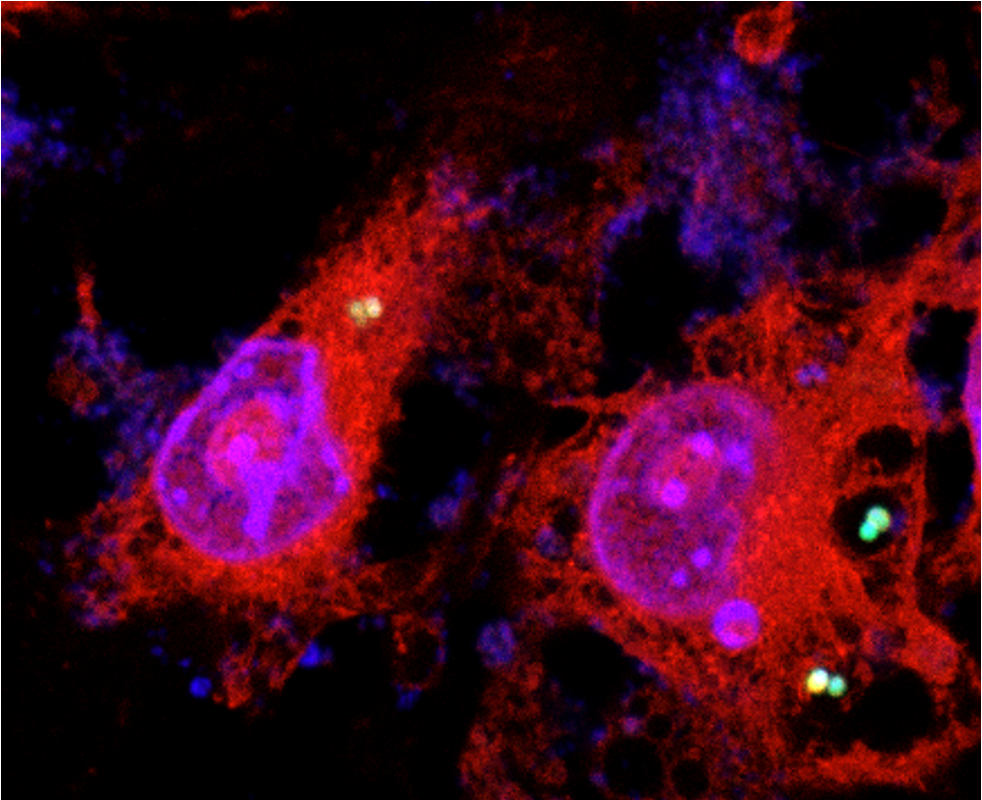
Bacterial pathogens cause disease through virulence factors—toxins, secretion systems, and immune-evasion molecules—that subvert host defenses. Understanding this host-pathogen dialogue is critical because traditional antibiotics kill bacteria indiscriminately, driving resistance and harming beneficial microbes. Targeting virulence rather than bacterial growth disarms pathogens without killing them, reducing resistance pressure and preserving the microbiome. Our lab aims to dissect host-pathogen interactions and identify key virulence nodes to develop anti-virulence therapies that work in harmony with the host immune system.
Polymicrobial Biofilm
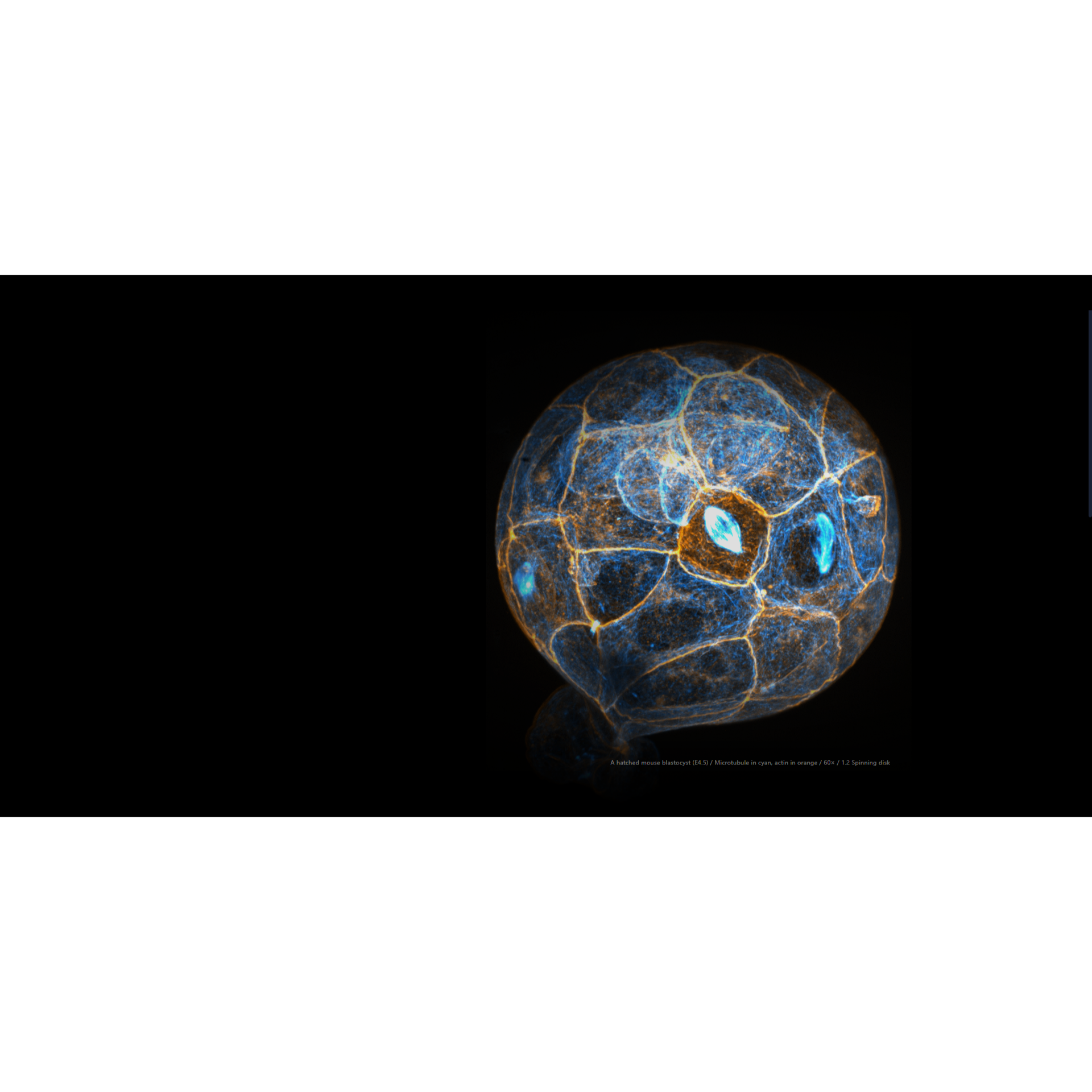
In dental plaques and chronic infections, bacteria always form polymicrobial biofilms—multispecies communities embedded in a protective matrix. These mixed-species biofilms are critically important because they exhibit enhanced tolerance to antibiotics and host immunity due to synergistic interactions among species, making them highly resistant to conventional treatment. Our lab aims to dissect cooperative and competitive behaviors within polymicrobial biofilms to identify novel therapeutic targets, ultimately developing alternative antimicrobial strategies that effectively eradicate these complex, resistance-prone bacterial consortia.
AI-driven pathogen-specific antimicrobial peptides
Antimicrobial peptides (AMPs) are natural host defense molecules that kill bacteria, but traditional discovery is slow and many broad-spectrum AMPs harm beneficial microbes. By training machine learning models, we can rapidly design novel AMPs that are selectively active against specific pathogens while sparing commensal bacteria and human cells. Our lab aims to integrate AI prediction with experimental validation to engineer precise, resistance-resilient AMPs for treating drug-resistant infections and modulate microbiome.
Approaches

We use a variety of approaches to achieve our goals and continuously adopt new methods to accelerate our work. Our core approaches include the following:

  • Developing high-throughput screening systems to identify virulence modulators

  • Building AI-driven drug discovery platforms

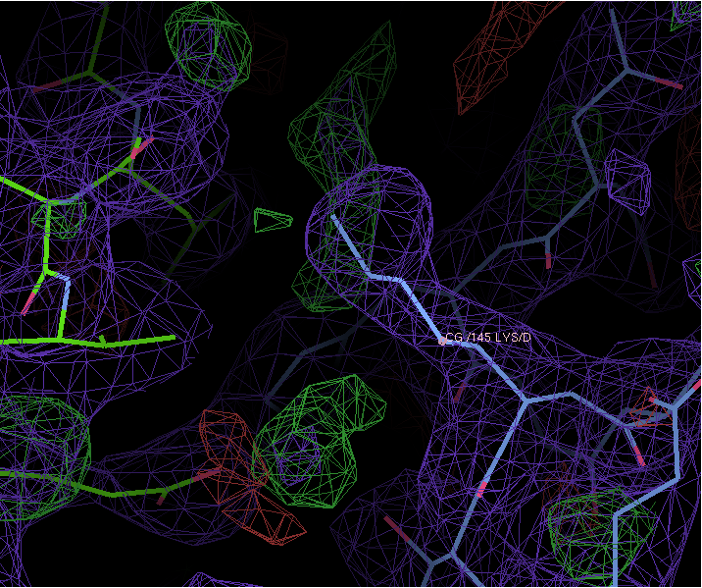
  • Applying chemical biology to understand function and guide rational engineering

  • Establishing in vivo gene knockdown systems to map gene function and bacterial interactions

  • Integrating computational and evolutionary analyses to discover novel antimicrobial peptides

  • Working in teams and collaborating across disciplines
If you are interested in joining our lab, please reach out—we'd love to hear from you.

Our research interests are not limited to the topics listed above. If you are passionate about understanding something you don't see here, feel free to contact us and share your ideas.

Work in the GP lab is supported by
The University of Hong Kong
Faculty of Dentistry
Research Grants Council (RGC)
Health and Medical Research Fund (HMRF)
Guangdong Natural Science Fund (GNSF)
Antenovus Biotechnology Limited
Powerby Feedback Follow Data